

Blog > California Zone 0: What San Diego Homeowners Should Know
California Zone 0: What San Diego Homeowners Should Know
The five feet closest to your home may seem like a small space. But when wind-blown embers land in bark mulch, dry leaves, or a wooden fence beside the house, that small space can become a path for fire. That is the concern behind California Zone 0.
For homeowners in La Mesa and East County, the smart approach is to understand your property’s rules before making expensive changes.
Here is the important November 2026 update: the state Board of Forestry adopted revised emergency regulations on November 5, but its notice says submission to the Office of Administrative Law would occur on or after November 13. The Board’s website still reports that final review is underway. Board adoption is not the same as an effective statewide regulation. Meanwhile, existing local defensible space rules still apply.
What Is California Zone 0?
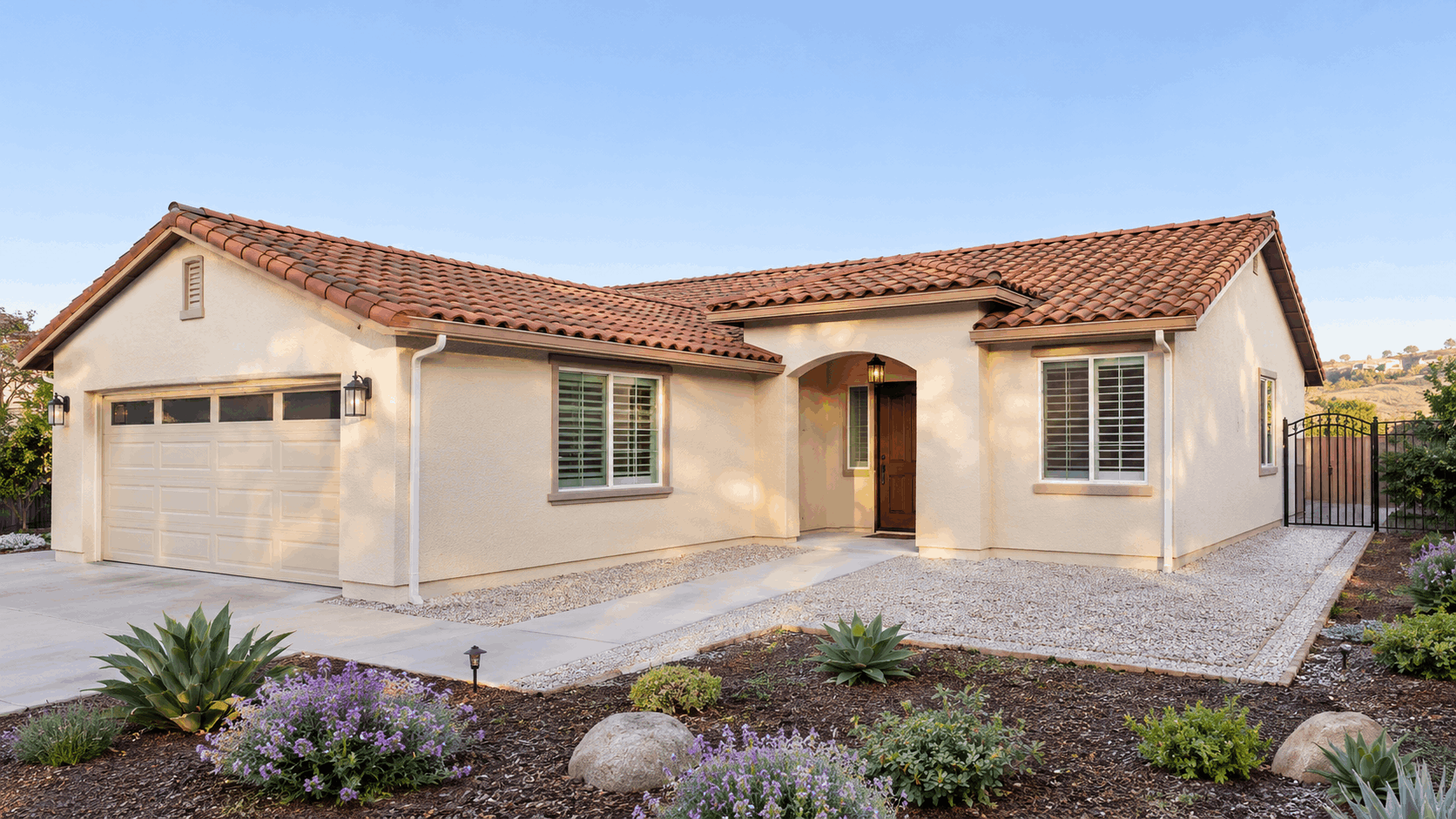
Zone 0 is the ember-resistant area within five feet of a building and its attached features, such as decks and stairs. Its purpose is to reduce materials that embers could ignite right beside your home.
Think of defensible space as layers:
- Zone 0, zero to five feet: focus on preventing ignition close to the structure.
- Zone 1, generally five to 30 feet under state guidance: maintain plants and separate potential fuels.
- Zone 2, generally 30 to 100 feet: reduce vegetation that could carry a larger fire toward the home.
Local measurements can differ. San Diego County’s guidance for unincorporated areas describes Zone 1 as five to 50 feet and Zone 2 as 50 to 100 feet. County rules should not automatically be applied to homes inside La Mesa or another incorporated city.
What Does Zone 0 Mean for Your Property?
Start with CAL FIRE’s safety recommendations—not an assumption that every suggested upgrade is already a statewide legal requirement.
CAL FIRE recommends:
- Mulch: replace combustible bark or wood mulch near the house with gravel, pavers, or concrete.
- Plants: remove dead or dying vegetation and accumulated leaves.
- Fences and gates: replace combustible sections attached to the home with noncombustible alternatives.
- Firewood: move firewood and lumber farther from the structure.
- Furniture and decorations: limit combustible furniture and planters on decks; consider relocating trash bins and other burnable items.
These are useful safety practices today. Whether a particular change is legally required now depends on your local code and property conditions.
For example, San Diego County’s current public guidance describes its local Zone 0 as hardscape with nothing that can burn and no firewood. It also warns that individual fire districts have their own rules.
Do not assume statewide Zone 0 means every mature tree must be removed. The state’s rulemaking materials address tree maintenance, vegetation placement, and specific allowances. Have your fire authority review trees, shrubs, and attached fencing before authorizing major removal work.
Who Must Comply, and When?
State regulations: adopted, but not yet confirmed effective
The November 5 emergency notice covers buildings and structures in State Responsibility Areas, where the state has primary wildfire responsibility, and occupied structures in Very High Fire Hazard Severity Zones in Local Responsibility Areas. A “High” local designation alone does not establish coverage under this statewide Zone 0 package, although other requirements may apply.
The adopted package provides immediate application to new structures once effective. Existing structures have phased requirements, including three-year deadlines for several changes and provisions allowing certain work on a longer, agency-directed schedule. These periods run from the regulation’s effective date—not simply the Board’s vote. A single calendar deadline for every existing home would be misleading.
As of this review, the official materials do not establish a completed statewide effective date. Older rulemaking targets should not be presented as homeowner compliance deadlines.
Local requirements remain important
San Diego County already identifies defensible space duties under its ordinance and 2026 Wildland-Urban Interface Code. Waiting for the state package does not suspend those duties.
Before relying on an exemption or extension, ask your fire authority for the applicable provision in writing. Small lots do not automatically mean no requirements; state guidance generally stops clearance at the property line. Local alternative practices and phased work require agency review rather than a homeowner’s own interpretation.
For any inspection notice, confirm the cited rule, correction deadline, reinspection process, and available review procedure directly with the issuing agency.
How Could Zone 0 Affect Homeowners Insurance?
California’s Department of Insurance requires insurers to recognize qualifying wildfire mitigation through its Safer from Wildfires framework. A noncombustible five-foot area is among the recognized improvements. Discounts vary by insurer, property, and completed measures.
Before spending money, ask your insurance company:
- Which improvements qualify under my policy?
- What photos, receipts, or inspection documents do you need?
- How will the change affect my actual premium?
Do not budget around a promised discount or assume landscaping work guarantees coverage. The Department describes mitigation as a way to improve safety and potential insurability—not a universal promise of a policy or a specific price.
What Does Zone 0 Mean If You’re Selling?
Wildfire preparation belongs on the pre-listing checklist, but it should be property-specific.
AB 38 created defensible space documentation requirements for covered sales in High and Very High Fire Hazard Severity Zones. The documentation process depends on local ordinances and inspection availability. Where the statutory six-month rule applies, that period precedes entering the sale transaction—not simply closing escrow.
If documentation has not been obtained, the law provides for a written buyer-seller agreement. The applicable deadline depends on the local ordinance; in the specified situation without a local documentation ordinance, the buyer obtains documentation within one year after closing. This is not a blanket exemption from maintaining defensible space.
Separate home-hardening disclosures apply to covered homes built before January 1, 2010, in High or Very High zones. They include known listed vulnerabilities. Since July 1, 2025, the notice also includes the state’s low-cost retrofit list and identifies which listed improvements the seller completed during ownership.
My approach: identify the required paperwork early, request the appropriate inspection, and separate required corrections from optional upgrades. That gives buyers clearer information and helps keep repair negotiations focused.
What Might Compliance Cost?
There is no single Zone 0 price tag.
For planning—not contractor quotes—consider these examples:
- Moving cushions, firewood, or decorations yourself may cost nothing.
- A small cleanup and gravel project might fit a budget of a few hundred dollars.
- Installed paving, fence modifications, tree work, or drainage changes may require several thousand dollars.
These are illustrative budget allowances, not verified San Diego market averages. Scope, access, disposal, materials, and labor can change the total substantially.
Start with cleanup and relocation. Get written local guidance before paying for demolition or a full landscape redesign. County guidance also links to assistance programs for homeowners who need help creating defensible space.
What Should San Diego Homeowners Do Now?
- Confirm your fire jurisdiction and parcel’s hazard designation.
- Ask which state and local requirements apply today.
- Walk the first five feet around your home and attached features.
- Clear debris and relocate easily moved combustible items.
- Photograph completed work and save receipts.
- Check insurance documentation requirements.
- If selling, review disclosures and inspection timing before listing.
Official starting points, reviewed November 13, 2026:
- Board of Forestry Zone 0 status and updates, including September 2026 guidance.
- CAL FIRE defensible space guidance, current webpage.
- San Diego County local requirements, current webpage referencing the 2026 code.
- Department of Insurance: Safer from Wildfires, current consumer guidance.[fire.ca][bof.fire.ca][sandiegocounty][insurance.ca]
California Zone 0 FAQ
Must every California homeowner remove all plants within five feet?
No. Statewide coverage depends on location, effective regulations, and their specific provisions. Local rules may be stricter.
Does an older home have a permanent exemption?
The state package phases in requirements for existing structures rather than providing a general age-based exemption.
Should I wait to improve wildfire safety?
You can take low-cost steps now while confirming which larger changes are required. CAL FIRE recommends clearing debris and reducing combustible materials closest to buildings.
Thinking About Selling Your San Diego Home? Let’s Talk Before You Spend Money.
Wildfire safety improvements may be one more consideration when preparing your home for sale. But before spending thousands on landscaping or upgrades, let’s look at your specific situation.
I’m Maggie Clemens, a San Diego County REALTOR® and Real Estate Wealth Advisor with Coldwell Banker West. I help homeowners understand which improvements make sense, which may require confirmation with local officials, and how to prepare for a successful sale.
Schedule a complimentary 15-minute conversation about your property and your options.
Maggie Clemens
REALTOR® & Real Estate Wealth Advisor | Coldwell Banker West
Phone: (619) 800-1145
Email: maggie@maggieclemens.com
California DRE #01882048[maggieclemens]